Aronimink's Greens Humble Golf's Best at PGA Championship
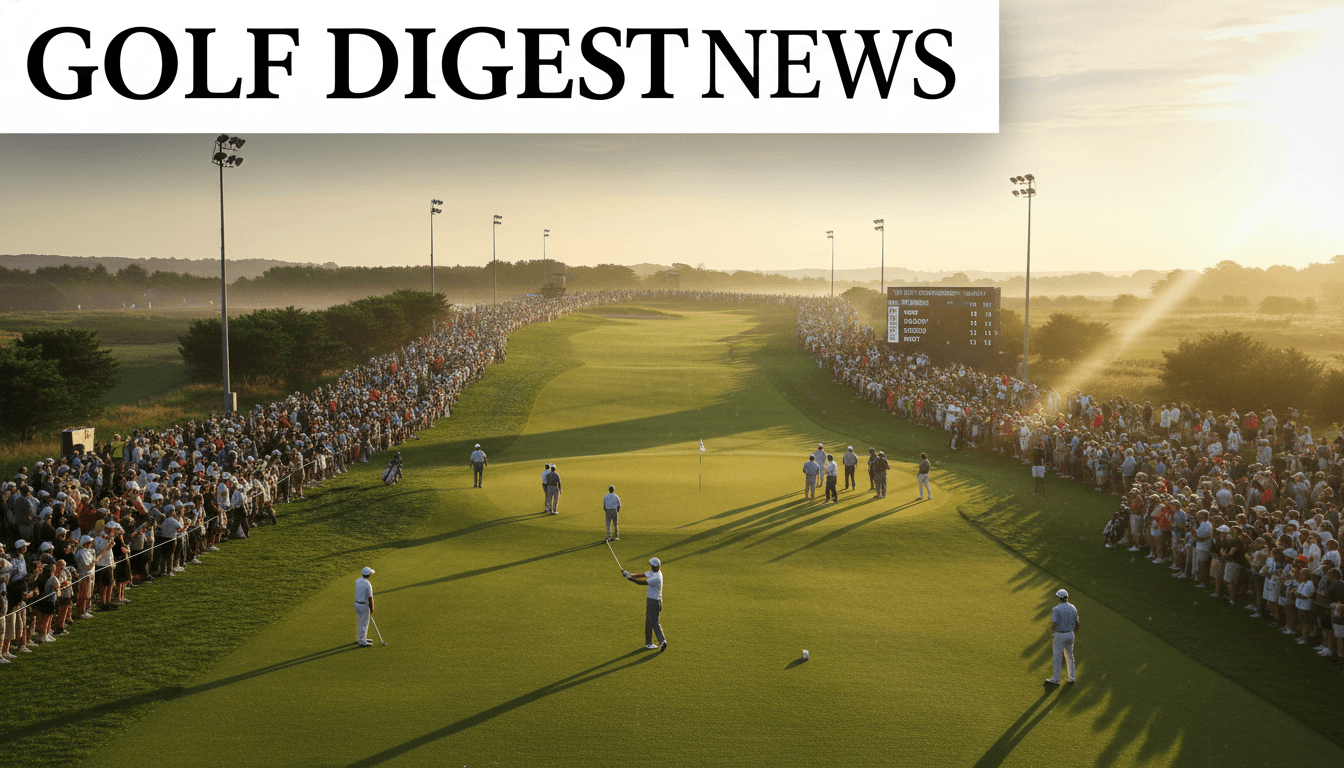
"Golf should be a pleasure, not a penance." Donald Ross wrote those words about the very ground where the world's best players are currently suffering, and I can only imagine the old Scottish architect is having a wry chuckle somewhere in the great beyond.
Aronimink Golf Club is extracting its pound of flesh from the PGA Championship field, and as someone who walked these storied grounds during a quiet autumn visit years ago, I can tell you this: the course has teeth, but what's happening this week goes beyond mere difficulty. This is psychological warfare conducted via flagstick placement.
A Course Awakened
It's been over sixty years since Aronimink hosted a major championship, and the conventional wisdom heading into this week suggested that modern equipment and modern players would overwhelm Ross's 1928 design. The oddsmakers predicted a winning score around fourteen under par. There was even whispered speculation about someone challenging the major championship record Xander Schauffele set at Valhalla in 2022.
How quickly hubris meets its reckoning.
At the halfway point, two under par is enough to put a player in genuine contention. Anyone who has scratched their way to three under counts as a red-hot favorite heading into the weekend. Alex Smalley and Maverick McNealy share the lead at four under, a number that would have seemed laughable before the first ball was struck.
The Pin Position Inquisition
Wind and temperature have played their parts, certainly. But the universal complaint from the field centers on something entirely within human control: the tournament committee's pin placements.
Scottie Scheffler, whose game is built on precision and control, didn't mince words after grinding out a 71 that included three bogeys in his opening four holes.
"Most of the pins today were kind of absurd," Scheffler said. "This is the hardest set of pin locations that I've seen since I've been on tour, and that includes US Opens."
Coming from the world's top-ranked player, that's not a casual observation. It's a condemnation delivered with the restraint of a man who nearly slammed his wedge into the turf after a chunked approach on the sixth hole.
The Architecture of Anguish
Aronimink's greens are sprawling, undulating surfaces that demand you understand their contours before you can conquer them. Ross designed them to reward thoughtful approach play and punish anything less than precise distance control. But the tournament committee has taken that inherent challenge and weaponized it.
Scheffler singled out the fourteenth hole as the most difficult pin position he's ever encountered in professional golf. The visual is almost comical: a severe spine running through the green with the flag perched directly atop it, daring players to get anywhere close.
"There's literally just a spine and they're like, 'Oh, we'll just put the pin right on top of it,'" Scheffler recounted. "And you're like, 'All right, well, I'll see what I can do.'"
What he did was two-putt for par from eighty feet, which counts as a minor victory under these conditions.
The Carnage Report
The leaderboard tells only part of the story. The real narrative lives in the moments of despair scattered across these eighteen holes.
Shane Lowry shanked his ball into the water at seventeen—the kind of mistake that haunts a player's dreams. Justin Thomas and Keegan Bradley found themselves on the receiving end of slow-play warnings, ranting at officials while the pressure of impossible pin positions compounded with every ticking second.
Rory McIlroy, recovering from a poor opening round, made progress on day two, but "progress" at Aronimink this week means survival as much as it means birdies.
Finding Pleasure in Penance
There's a certain satisfaction in watching the world's best navigate the same frustrations weekend hackers face every Saturday morning. The schadenfreude is real, and it's earned. But there's also genuine appreciation for the quality of lag putting on display—the art of getting a ball close to a hole that seems to reject every approach.
Scheffler remains in the hunt despite his early struggles, a testament to the mental fortitude that separates major champions from mere contenders. The weekend promises more of the same: brutal pin positions, vast greens that laugh at your best efforts, and a course that hasn't hosted a major in six decades finally reminding the modern game that some designs transcend era.
Key Takeaways
- The lead: Alex Smalley and Maverick McNealy share the top spot at four under par
- The test: Pin positions have drawn universal criticism, with Scheffler calling them the toughest he's ever seen
- The course: Aronimink's Ross-designed greens are proving that classic architecture can humble modern players
- The weekend: Anyone within striking distance of even par should consider themselves a contender
Donald Ross built Aronimink for pleasure. The PGA of America has turned it into penance. And somehow, that makes for appointment viewing.