LIV Golf's Australian Gambit: A $300 Million Bet on Survival
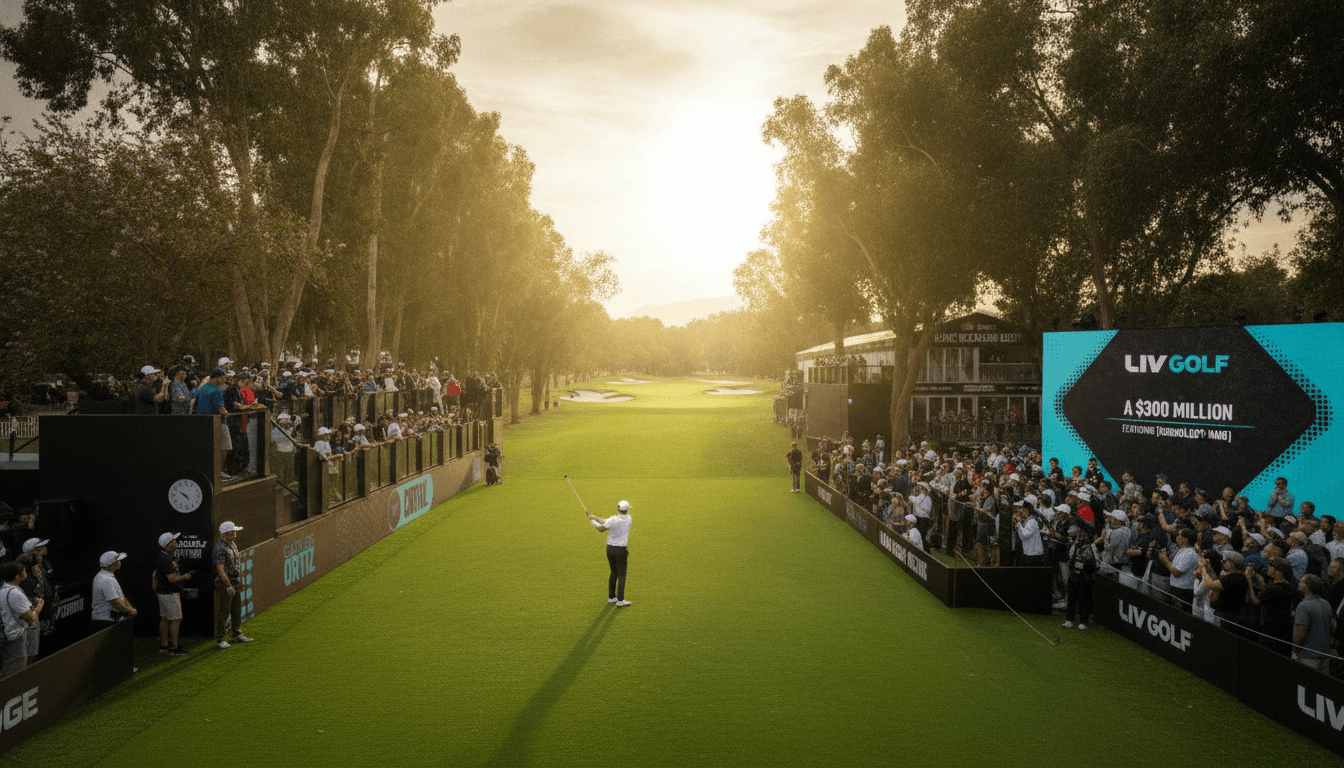
There's something almost poetic about watching a professional golf league—one that arrived with the swagger of unlimited sovereign wealth—now passing the hat among Australian businesspeople. LIV Golf, the circuit that once seemed to have more money than taste, finds itself at a crossroads I never quite expected to witness from my seat in the grandstands.
The Money Question Nobody Wanted to Ask
LIV Golf chief executive Scott O'Neil confirmed what many of us suspected was coming: Saudi Arabia's Public Investment Fund will stop funding the league after the 2026 season. The league now needs approximately US$300 million—that's A$425 million for those keeping score at home—to continue operations.
"We are very tapped in and wired in to the Australian business community and those who might be interested," O'Neil told AAP. "Yes, we're having some ongoing dialogue with some prominent Australians."
The word "prominent" does a lot of heavy lifting in that sentence. No names have been disclosed, no firm commitments announced, no timelines established. What we have instead is the golf equivalent of a Silicon Valley pitch deck: promises of profitability "in three short years" and assurances that this time, the business plan comes with "quite a bit of discipline."
Cameron Smith: From Major Champion to Fundraiser
Perhaps the most fascinating development in this story is the transformation of Cameron Smith from golfer to de facto investment ambassador. The Ripper GC captain—that all-Australian squad that felt like LIV's attempt at appealing to Down Under nationalism—has apparently been working the phones alongside the executives.
O'Neil described Smith as central to what he called "LIV 2.0," saying the former Open Champion "commands impact and influence on those around him and he has been a true champion for securing the investment."
I've watched Smith navigate the pressure of Augusta's back nine and the carnage of Royal Liverpool's pot bunkers. Somehow, convincing Australian mining magnates and private equity partners to throw hundreds of millions at a struggling golf league feels like a different kind of challenge entirely.
The Investment Landscape
According to O'Neil, potential investors fall into two camps. Some private equity firms have expressed interest in committing the entire US$300 million, while professional sports team owners have discussed smaller stakes ranging from US$25 million to US$50 million.
"Some combination of those two might happen as well," O'Neil said, which is the kind of statement that could mean anything from "we're close to a deal" to "we're still figuring this out."
What strikes me most is how LIV's pitch has shifted. This is no longer about disrupting professional golf or attracting the game's biggest names with guaranteed contracts that made traditional purses look like pocket change. This is about survival—about proving that a team-based, 54-hole format can generate enough interest and revenue to justify its existence without a bottomless sovereign wealth fund backstop.
Adelaide and the Australian Connection
Adelaide has hosted four LIV events, and there's a reason the league keeps returning. The Grange Golf Club crowds have been genuine, the atmosphere electric in ways that some LIV venues struggle to replicate. If there's anywhere outside the United States where LIV has built actual grassroots enthusiasm, it's South Australia.
That connection makes the pursuit of Australian investors feel less random than it might otherwise appear. This isn't just about finding anyone with deep pockets—it's about finding believers who've actually seen the product work.
The Season Ahead
Some reports have questioned whether LIV's four remaining tournaments in 2026 will even happen. O'Neil pushed back firmly, stating that the PIF has committed to funding the current season in full.
"I don't have a crystal ball, unfortunately. But I can tell you this: the PIF has been a really strong supporter, they have always been good on their word, and they have pledged publicly that they will support us through the season."
It's the kind of assurance that should settle nerves but somehow doesn't entirely. When you have to remind people that your current backer will honor their commitments, it suggests the whispers have gotten loud enough to require addressing.
Key Takeaways
- LIV Golf needs US$300 million (A$425 million) to continue beyond 2026 as Saudi PIF funding ends
- Unnamed "prominent" Australians are reportedly in investment discussions alongside private equity firms
- Cameron Smith has taken an active role in courting potential investors
- No firm commitments or timelines have been announced despite ongoing talks
- The current 2026 season remains fully funded, according to LIV's CEO
Professional golf has never been short on drama, but this particular chapter feels different. We're watching a league that changed the sport's economics try to prove it can survive without the financial safety net that made it possible in the first place. Whether Australian investors bite—and whether LIV 2.0 becomes anything more than a pitch deck—remains to be seen.