When 111 Seconds Changed Everything at the Turkish Airlines Open
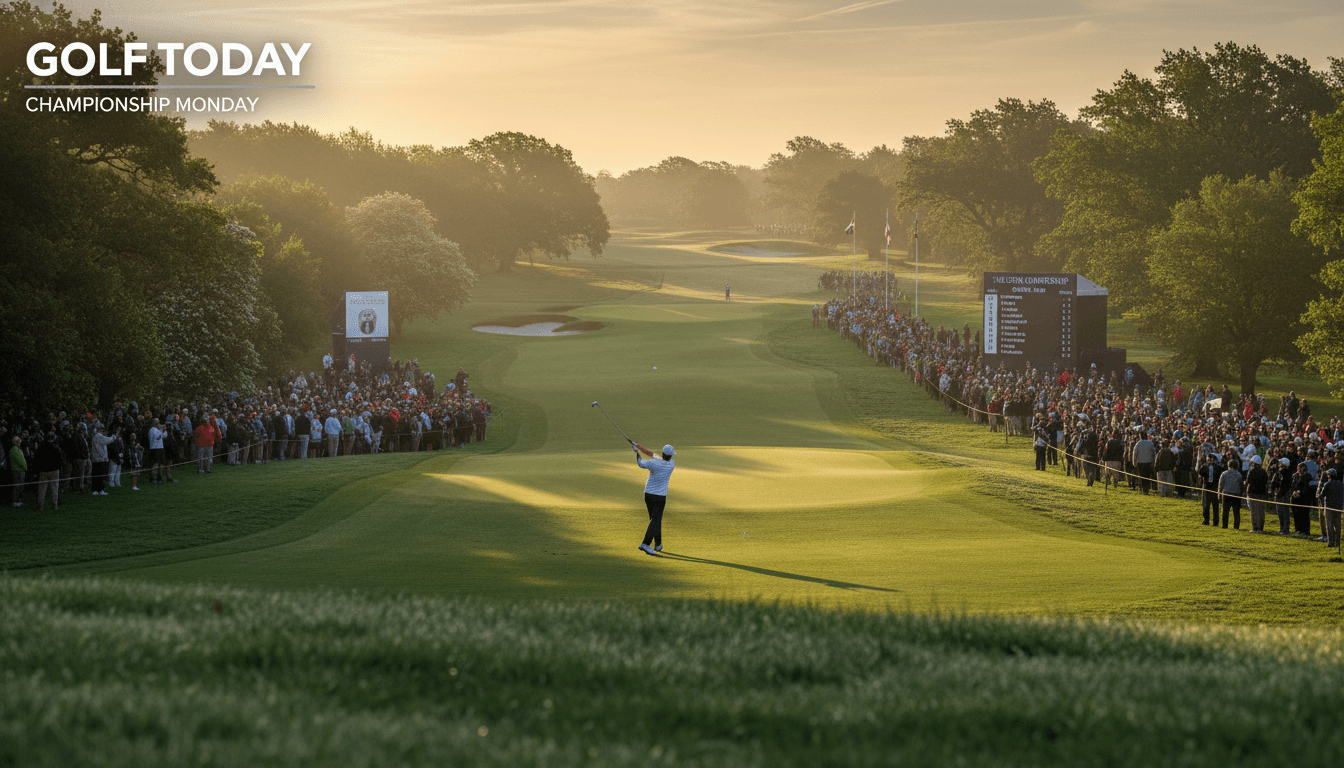
There's a particular tension that builds on a Sunday afternoon when you're one shot back. I've walked alongside players in those moments—you can feel the air thicken, see the deliberation in every pre-shot routine. But at the Turkish Airlines Open, that deliberation cost Gregorio de Leo more than just mental energy. It cost him a stroke.
The Weight of 111 Seconds
Standing on the 11th tee at the National Golf Club, the 26-year-old Italian was in full flight. One shot separated him from the lead during the final round of the DP World Tour event, and the 168-yard par-3 ahead seemed entirely manageable. What happened next has become the latest flashpoint in golf's ongoing conversation about pace of play.
De Leo took 111 seconds to hit his tee shot. Under the DP World Tour's pace of play policy, he was allotted 50 seconds. He exceeded that by 61 seconds—more than double his permitted time. His group had been under the watchful eye of officials since the ninth tee, and this was the breach that triggered enforcement.
The cruel irony? De Leo executed the shot beautifully. His tee shot found the front of the green, he pitched to within two feet, and rolled in what he believed was a par. Then came the official's approach. The par became a bogey. The one-shot deficit became two.
A Dream Slipping Away
What strikes me most about these situations is how they fragment momentum. Golf is a game of flow, of rhythm, of finding a groove and riding it. De Leo had found his. Over those final holes after the penalty, he played one-over golf, eventually finishing four shots behind champion Mikael Lindberg.
Lindberg, claiming his first DP World Tour victory, described the final hole with raw honesty: "I almost felt dizzy and I almost felt I wanted to throw up." That's the weight of winning. But somewhere behind him, de Leo was carrying a different burden—the knowledge that 61 extra seconds on a tee box had altered everything.
Golf's Slow Play Reckoning
The DP World Tour confirmed that two other players found themselves on the "bad times register" during the week, though neither received penalties. Adrian Otaegui exceeded his time by 8 seconds during the first round, while Stefano Mazzoli went 26 seconds over during the second round. The threshold for penalty is exceeding your allotted time by more than 30 seconds while being monitored—de Leo crossed that line decisively.
This isn't an isolated incident. Just two weeks prior, Jin Hee Im received a one-stroke penalty during the LPGA's JM Eagle L.A. Championship for a similar infraction. She subsequently lost in a playoff the following day. The governing bodies are making it clear: the rules will be enforced.
The Debate Continues
I've stood on tees where the wind shifted three times in a minute, where club selection felt impossible, where the moment demanded more consideration than the clock allowed. Golf is a game of precision, and precision takes time. But it's also a sport that must consider its audience, its broadcast partners, and frankly, the sanity of everyone playing behind you.
The 50-second rule exists for a reason. When you're not the first to play, you've had time to assess conditions, select your club, visualize your shot. 111 seconds on a 168-yard par-3—even one with tournament implications—is difficult to justify.
The Takeaway
De Leo's penalty at the Turkish Airlines Open serves as a stark reminder that professional golf is actively addressing pace of play concerns. The rules are clear, the monitoring is real, and the consequences are significant. For players contending on Sunday afternoons, the clock is now as much a factor as wind direction or pin position.
Whether this aggressive enforcement creates better golf or simply more controversy remains to be seen. But for Gregorio de Leo, those 61 extra seconds will linger far longer than the time it took to take them.